Keyword & market research
I map the searches your buyers actually use, from category and comparison terms to problem-based and long-tail queries, then prioritize by intent and revenue, not vanity volume.
Shopify SEO Services · Based in the Philippines · Working Worldwide
I help Shopify and DTC brands rank the pages that actually sell: collections, product pages, and the content around them. Not just audits and advice, but the hands-on work that grows organic traffic. I have done SEO and content for 11+ Shopify stores, including brands publicly estimated in the 7 to 9 figure range.
Work directly with a specialist
You work with me directly: a licensed pharmacist and SEO specialist based near Manila. No account managers and no handoffs. The person who plans the work is the person who does it.
Shopify makes launching easy and ranking messy. Collection pages generate duplicate paths, tag pages multiply thin URLs, themes bury collection copy below the product grid, and metadata gets set once at launch and never touched again. Generic SEO advice does not account for any of that. A Shopify specialist does.
My angle is different from most Shopify SEO providers. Most come from a purely technical background. I come from the content and strategy side, then learned the technical layer, so I cover both. Technical fixes make a store crawlable. Collection copy, product descriptions, and a real blog are what pull buyers in and get you cited by Google's AI answers. You need both, in that order of impact.
What's included
Pick individual pieces or hand me the whole engine. Here is the full scope of what I do for Shopify brands.
I map the searches your buyers actually use, from category and comparison terms to problem-based and long-tail queries, then prioritize by intent and revenue, not vanity volume.
Collections are Shopify's real category pages, where high-intent keywords live. I map them to demand, write copy that reads well without burying products, and link authority to your money pages.
Unique, benefit-led descriptions at scale. No manufacturer copy-paste, no duplicate-content penalties, written to match how people search and to nudge them toward buying.
Title and description templates plus hand-written metadata for top pages, clean heading structure, and image alt text. On large catalogs, this is often one of the quicker wins.
Canonical checks, duplicate and thin-page cleanup, crawl and indexing review with Screaming Frog and Search Console, and speed sanity checks against Shopify's own SEO framework.
Product-led articles targeting comparison, "best," and problem-based queries. The content that feeds your collections and, in 2026, gets your store cited in AI Overviews.
Heading structure, metadata output, schema snippets, and collection description placement. I make the SEO-relevant theme tweaks myself instead of writing a ticket for someone else.
GA4 and Search Console set up so we measure what matters, plus monthly reporting in plain English. You always know what moved and why.
Proof, not promises
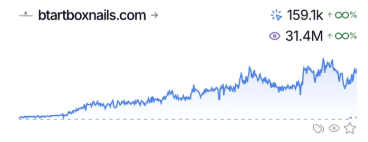
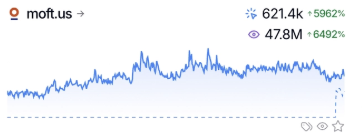
Snapshots from third-party SEO tools (Semrush) for brands I have contributed SEO and content to. SEO is a team sport; these reflect combined effort, with me on the SEO and content side.
Straight answers
Shopify gives you a solid base and a few real limits. Here is an honest look at both, so you know what the platform handles and what still needs attention.
/collections/, /products/) you can only partly customizeHow my Shopify SEO works
I study your store, analytics, and market to see what is working, what is leaking, and where the fastest wins are.
Canonicals, structure, page refreshes, and on-page optimization, so growth is not built on broken ground.
Collections, products, and blog topics mapped to real search demand and buying intent.
Copy, metadata, internal links, and light .liquid edits, shipped in prioritized batches.
Every SEO basic checked before anything ships. Nothing publishes blindly.
Track in Search Console, report in plain English, and iterate on what the data says. Then repeat.
Why work with me
A lot of Shopify SEO focuses on the technical side alone. I handle the technical work and the content, which is the part that helps pages rank and get cited by AI answers.
Real Semrush growth curves and live Google AI Overview citations. You can verify the work before you spend anything.
I am a licensed pharmacist, so claims in health, beauty, and wellness content get reviewed by someone qualified to check them. That helps keep YMYL content accurate.
Based near Manila, I work in fluent English, with hours that overlap US and Australian business days, at direct freelance rates.
You work with me directly, from the first audit to the monthly report. Nothing gets handed off down a chain.
I focus on structure, content, and internal links that can keep working over time, rather than a quick spike that fades.
FAQ
Shopify gives you a solid foundation: editable title tags and meta descriptions, an automatic XML sitemap, mobile-responsive themes, a fast CDN, and SSL. It does not do keyword research, write your collection copy, fix duplicate content, or build internal links. Those parts move rankings, and they are what I do.
Clean, fast themes like Dawn (free), Turbo, and Prestige are all SEO-friendly. Theme choice matters less than how the theme is used: heading structure, collection copy placement, image weight, and metadata. A well-configured Dawn store often out-performs a heavier premium theme.
Quick wins from metadata and collection fixes often appear within 4 to 8 weeks. Meaningful traffic growth from new content and internal linking usually compounds over 3 to 6 months. Anyone promising page one in two weeks is selling something.
Yes. Most engagements start with an audit of your existing store to find the revenue that is leaking: thin collection pages, duplicate URLs, missing metadata, and orphaned products. I fix those first, then build.
I handle light .liquid edits: heading structure, metadata output, collection description placement, and schema snippets. For full theme development or custom apps, I work alongside your developer.
Yes. Beyond one-off audits and projects, I offer monthly retainers that own Shopify SEO end to end: content production, technical health, internal linking, and reporting.
It depends on scope: a one-off audit, per-page content, or a monthly retainer. As a freelance specialist based in the Philippines, I work at direct freelance rates. Email your store URL for a free mini audit and a quote.
Email your store URL and one keyword you wish you ranked for. I will reply with a free mini audit: real findings, no template.
✉️ Get my free mini audit